How you care for organic cotton clothes determines whether they stay soft and durable for years or wear out within months. Organic cotton is grown and processed without the harsh chemical treatments used in conventional cotton, which is what makes it breathable, hypoallergenic, and gentle against a child's skin. That same lack of chemical finishing also means the fabric responds differently to heat, detergent, and drying than treated fabrics do.
LAMBLILY manufactures GOTS certified organic cotton kidswear from Vandalur, Chennai, Tamil Nadu, and our team fields care questions from parents every week. In our experience, most organic cotton garments that wear out early were washed correctly on day one and then gradually mistreated over months, through hot washes, harsh detergent, or high heat drying. This guide sets out exactly how to care for organic cotton clothes, step by step, so that does not happen.
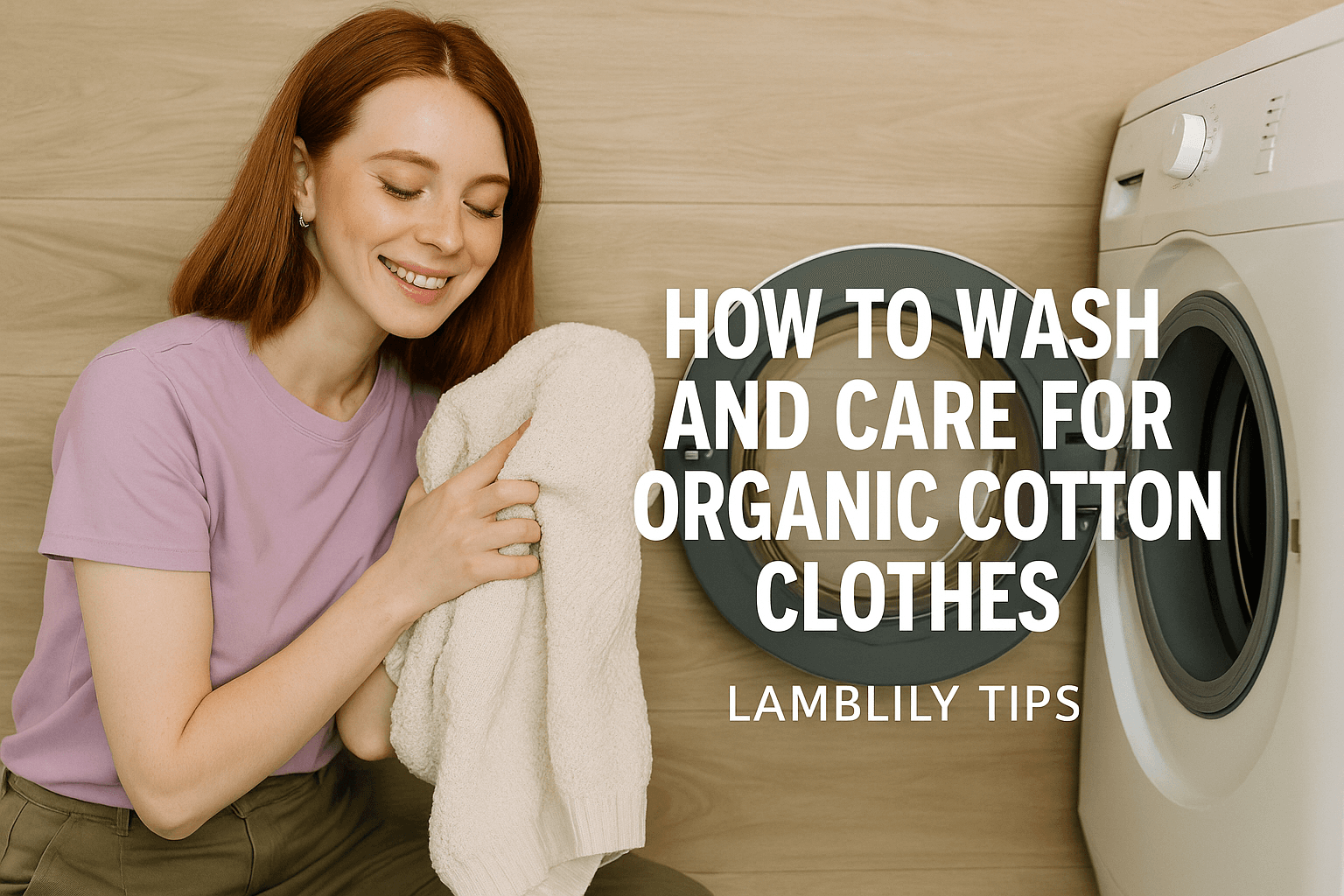
Why Organic Cotton Needs Different Care Than Regular Cotton
Conventional cotton is often treated with sizing agents, softeners, and finishing chemicals that make it more resistant to rough handling. Organic cotton skips those treatments, which is exactly why it feels softer and safer against sensitive skin from the very first wear.
That same absence of chemical finishing means organic cotton fibres are more exposed to damage from heat, harsh detergent, and aggressive agitation. Hot water can break down natural fibres over repeated washes, and strong detergents can strip the fabric's natural softness faster than on treated cotton. None of this makes organic cotton fragile. It simply means the fabric rewards gentle, consistent care.
What Makes Organic Cotton Worth the Extra Care
Parents choosing organic cotton are usually choosing it for two reasons: it is gentler on a child's skin, and it is grown without the pesticide load of conventional cotton farming. Both benefits depend on the fabric staying in good condition. A garment that pills, stiffens, or fades quickly loses the comfort advantage that made organic cotton worth choosing in the first place.
How to Care for Organic Cotton Clothes: The Step-by-Step Wash Routine
Follow this sequence for every wash to preserve softness, colour, and shape over the life of the garment.
- Check the care label first, since some prints or embellishments may need handwashing.
- Sort by colour, washing whites, lights, and darks separately to prevent dye transfer.
- Use a mild, biodegradable detergent, and avoid chlorine bleach and fabric softener.
- Wash in cold or lukewarm water, ideally around 30°C, to protect natural fibres.
- Choose a gentle or delicate spin cycle to reduce mechanical wear on the fabric.
- Air dry when possible, laying flat or on a line rather than using high heat.
- Iron on the reverse side, using a warm rather than hot setting, if ironing is needed.
Why Cold Water Washing Matters So Much for Organic Cotton
Heat is the single biggest cause of premature wear in organic cotton clothes. Hot water accelerates fibre breakdown, encourages shrinkage, and can cause dyes to bleed or fade faster than a cold wash would. We recommend parents treat 30°C as a practical ceiling for organic cotton kidswear, even for heavily soiled items, and rely on pre-treatment or a longer wash cycle instead of hotter water.
Wash Temperature Guide for Organic Cotton Clothes
The right temperature depends on how soiled a garment is and how delicate its print or trims are.
| Water Temperature | Best For | Avoid For |
|---|---|---|
| Cold (below 20°C) | Lightly worn organic cotton clothes, printed designs | Heavily soiled items needing deeper cleaning |
| Lukewarm (around 30°C) | Everyday organic cotton clothes, general laundry | Delicate hand embroidery or trims |
| Hot (above 40°C) | Not recommended for organic cotton clothes | Almost all organic cotton kidswear |
As the table shows, LAMBLILY recommends staying at or below 30°C for essentially all organic cotton clothes, reserving cold water specifically for printed or embroidered pieces.
Common Organic Cotton Care Mistakes to Avoid
Even careful parents sometimes damage organic cotton clothes through habits that seem harmless. Recognising these mistakes early prevents most of the premature wear we see reported.
| Common Mistake | Why It Damages the Fabric | Better Approach |
|---|---|---|
| Washing in hot water | Breaks down natural fibres, encourages shrinkage | Wash at or below 30°C |
| Using fabric softener | Coats fibres, reduces natural breathability | Skip softener; cotton softens naturally |
| Tumble drying on high heat | Weakens fibres, causes shrinkage over time | Air dry or use the lowest dryer setting |
| Storing while damp | Encourages mildew and musty odours | Ensure garments are fully dry before storage |
| Overloading the washing machine | Increases friction and abrasion between garments | Wash smaller loads of similar weight fabrics |
Drying and Storing Organic Cotton Clothes Correctly
Washing is only half the routine. How a garment dries and where it gets stored afterward matters just as much for long-term durability.
- Air dry flat or on a line whenever possible, away from direct, prolonged sunlight.
- If using a dryer, select the lowest heat setting and remove the garment while still slightly damp.
- Turn garments inside out before drying to protect prints, embroidery, and surface colour.
- Store folded in a cool, dry place, away from damp areas that encourage mildew.
- Avoid direct sunlight during storage, since prolonged UV exposure can yellow untreated cotton over time.
How Storage Habits Affect Organic Cotton Over a Full Season
A garment that survives twenty gentle washes can still be ruined by a single season stored in a damp cupboard. Moisture encourages mildew and musty odours in natural fibres far more readily than in synthetic blends. LAMBLILY recommends storing seasonal organic cotton kidswear in breathable cotton bags rather than sealed plastic, which traps moisture against the fabric.
Extending the Life of Organic Cotton Kidswear
A few simple habits, beyond the core wash and dry routine, meaningfully extend how long organic cotton clothing stays in good condition.
- Spot-clean small stains instead of running a full wash for minor marks.
- Turn garments inside out before every wash to protect colour and print detail.
- Wash similar weight fabrics together, since heavy items can abrade lighter cotton pieces.
- Avoid overloading the washing machine, which increases friction between garments.
- Re-check zippers, snaps, and drawstrings before washing to prevent them from catching on fabric.
Reducing wash frequency is one of the most underrated ways to extend fabric life. Every wash cycle causes some mechanical wear, so a garment that is spot-cleaned between washes, rather than fully laundered after light use, simply lasts longer. This is especially useful advice for lightly worn outerwear and daywear that does not need washing after a single short outing.
Why Fewer, Better Washes Beat Frequent Washing
Parents sometimes assume more frequent washing keeps clothes fresher, but for organic cotton the opposite is often true. Each wash cycle exposes fibres to water, detergent, and mechanical agitation. A garment washed after every wear accumulates far more cumulative wear than one washed only when genuinely soiled. Our team recommends judging by smell and visible marks rather than washing on a fixed daily schedule.
How LAMBLILY Builds Fabric That Rewards Good Care
Care instructions only matter if the underlying fabric is worth the effort. LAMBLILY sources GOTS certified organic cotton and tests every fabric lot to OEKO-TEX Standard 100, so the cotton a family cares for at home has already passed independent chemical safety testing before it reaches them. Bio-washing during production also means the fabric starts soft, rather than depending on repeated home washing to break it in.
This is part of what we mean when we describe LAMBLILY as a conscious clothing brand: the responsibility does not stop at the factory gate. Fabric that is genuinely organic and properly finished should reward a family's care for years, not just for the first few washes.
A Simple Organic Cotton Care Checklist for Busy Parents
For parents who want the short version, this checklist covers the essentials without needing to memorise every detail above.
- Wash cold or lukewarm, never hot, using a mild detergent.
- Skip fabric softener and chlorine bleach entirely.
- Air dry when possible, or tumble dry on the lowest heat setting.
- Store in a cool, dry, breathable space, away from direct sunlight.
- Spot-clean between washes to reduce overall wear on the fabric.
Pinning this checklist near the laundry area is often enough to turn it into a habit within a few weeks, at which point most parents stop needing to think about it consciously at all.
Dealing With Stains on Organic Cotton Clothes
Stains are inevitable with children, and organic cotton clothes respond best to prompt, gentle treatment rather than aggressive scrubbing or bleach.
- Rinse the stain with cold water as soon as possible, before it sets into the fibres.
- Apply a small amount of mild detergent directly to the stain and gently work it in.
- Avoid rubbing hard, since friction can damage fibres and spread the stain further.
- Let the detergent sit for ten to fifteen minutes before washing as usual.
- Air dry after washing, since heat can permanently set any remaining trace of a stain.
Never use chlorine bleach on organic cotton clothes, even for tough stains. Bleach breaks down natural fibres quickly and can leave lasting yellow discolouration, especially on undyed or lightly dyed cotton.
Travel and Daycare Tips for Organic Cotton Clothes
Organic cotton clothes often face their toughest conditions away from home, at daycare, school, or during travel. Packing a spare change of organic cotton clothes, rather than relying on a single outfit for a full day, reduces the chance of a stain setting in before it can be treated. A small mesh bag for soiled organic cotton clothes keeps them separate from clean items until they can be properly washed at home.
Key Takeaways for Caring for Organic Cotton Clothes
Here is a short summary of the habits that matter most when caring for organic cotton clothes over the long term:
- Wash cold or lukewarm, at or below 30°C, never hot.
- Use a mild, biodegradable detergent and skip fabric softener and bleach.
- Air dry when possible, or tumble dry only on the lowest heat setting.
- Store in a cool, dry, breathable space away from direct sunlight.
- Treat stains promptly with cold water rather than scrubbing or bleaching.
Conclusion
Organic cotton clothes reward a small amount of extra care with years of extra life. Cold or lukewarm washing, a mild detergent, air drying where possible, and dry, sunlight-free storage cover almost every situation a family will encounter. None of these steps take significantly longer than caring for conventional cotton; they simply ask for slightly more attention to heat and chemical exposure.
We recommend treating this routine as a habit rather than a set of rules to consult occasionally. Fabric that is genuinely organic, like the GOTS certified cotton LAMBLILY uses across our kidswear range, is built to last when organic cotton clothes are cared for properly, and a few consistent habits are all that stands between a garment lasting one season or several.
Parents sometimes ask whether it is worth paying more for organic cotton clothes if regular cotton can be cared for just as easily. The honest answer is that organic cotton clothes ask for slightly more attention to heat and detergent choice, but reward that attention with a softer hand-feel, fewer chemical residues against a child's skin, and a farming process that avoids the pesticide load of conventional cotton. For most families, the small adjustment in laundry habits is a fair trade for those benefits.
Frequently Asked Questions
Use a mild, biodegradable detergent in cold or lukewarm water, around 30°C, on a gentle cycle. Avoid chlorine bleach and fabric softener, since both can strip the natural softness organic cotton is chosen for. Sort by colour first to prevent dye transfer between garments.
Sources & References
This guide references organic fibre standards from the Global Organic Textile Standard and chemical safety testing under OEKO-TEX Standard 100. For broader background on sustainable cotton production, see Textile Exchange and Better Cotton. Buyers and parents can also review LAMBLILY's manufacturing capabilities or contact our team with care questions about organic cotton clothes or bulk kidswear orders.
Organic Cotton Kidswear From LAMBLILY, Chennai, India
LAMBLILY manufactures GOTS certified organic cotton and OEKO-TEX Standard 100 tested kidswear from Vandalur, Chennai, Tamil Nadu, shipping FOB to the UAE, UK, USA, Canada, and Australia. MOQ 100 pcs/colour, payment 100% advance SWIFT. Our team is glad to answer any further questions about caring for organic cotton clothes at scale for retailers and private label partners.
📱 Message Us on WhatsApp 📧 Contact Us 🏭 Vandalur, Chennai, Tamil Nadu 600048, India 🌐 lamblily.com