Shopping for kidswear can be tricky, especially when children seem to outgrow clothes overnight. Whether you are a parent, a retailer, or a private label buyer, knowing how to find the right size for kids is essential for comfort, style, and long-term value. In our experience at LAMBLILY, sizing complaints are almost always avoidable with the right measuring habits.
This guide walks through how to choose the right size for kids without relying on guesswork. We cover growth patterns, measuring techniques, fabric shrinkage, and international sizing differences that matter for parents and buyers alike.
Understand Growth Spurts Before You Pick the Right Size for Kids
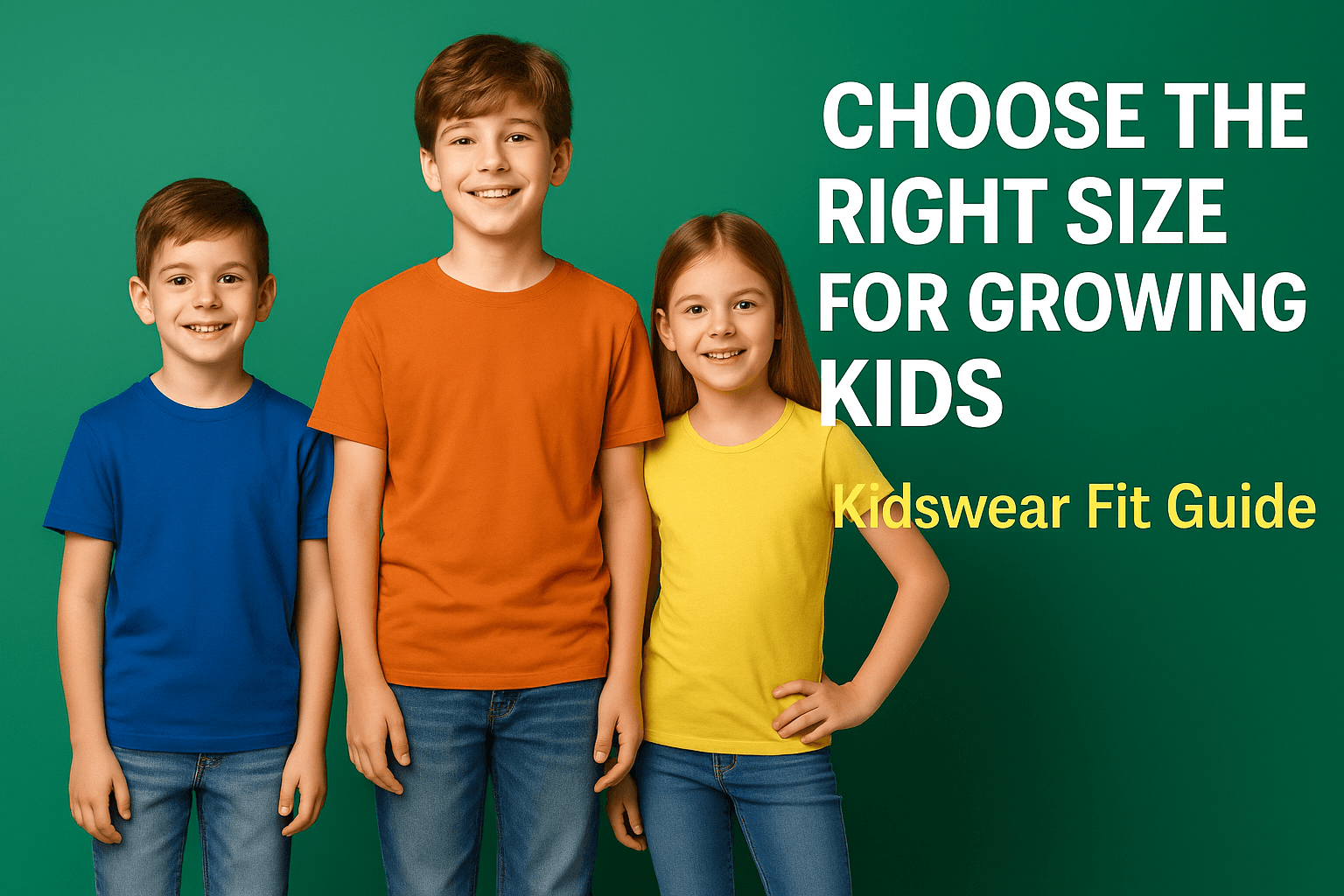
Children do not grow at the same rate. A four-year-old may fit clothes made for a five-year-old, while another child the same age still wears a size three. That is why most sizing systems use age and body measurements together, not age alone, when defining the right size for kids.
- Toddlers (1-3 years): grow rapidly every few months, so buy with room to spare.
- Preschoolers (3-5 years): still growing quickly, though slightly steadier than toddlers.
- Kids (6-12 years): growth slows overall but varies by gender and genetics.
- Pre-teens (10-14 years): growth spurts can happen suddenly, often before a size chart catches up.
- Teens (14-16 years): sizing starts to resemble adult ranges, though fit still varies by brand.
Knowing which bracket a child falls into is the first step toward finding the right size for kids consistently, season after season.
Measure, Do Not Assume
The most reliable way to choose the right size for kids is by measuring the child directly, rather than guessing from age alone.
- Height: measured from the top of the head to the floor, barefoot.
- Chest: measured just under the arms, keeping the tape level.
- Waist: measured above the belly button, without pulling tight.
- Hips: measured at the widest part of the lower body.
- Inseam: measured from the crotch to the ankle for trousers and leggings.
Compare these measurements with the brand's official size chart rather than relying on age labels, since the right size for kids rarely matches the printed age alone. At LAMBLILY, we provide age-wise and measurement-based sizing so that the right size for kids is easy to confirm before you buy, whether you are a parent or a bulk buyer.
Go for a Slightly Bigger Fit
Kids grow fast, so it is often wise to buy slightly bigger sizes, especially for seasonal clothing or sleepwear. A loose fit today can become a perfect fit within a few months. Look for these features when sizing up:
- Adjustable waistbands that can be tightened as needed.
- Stretch fabrics like cotton jersey or ribbed knits.
- Roomy cuts that allow for active play.
- Fold-up cuffs on sleeves and trousers for longer wear.
- Reinforced knees and seams for children who are hard on clothes.
This approach extends the useful life of each garment without compromising comfort, which matters most for parents managing a growing wardrobe on a budget, and it still counts as the right size for kids for a longer stretch of time.
Factor in Fabric Shrinkage and International Sizing
Cotton garments can shrink 3-5% after the first wash, which affects how the right size for kids looks once a garment has actually been worn and washed. Buyers should always account for this before finalizing an order. Resources from Cotton Incorporated explain how fiber content and finishing affect shrinkage rates across different cotton weaves.
US, UK, and EU sizing systems also differ from one another and from Indian sizing conventions. A size that fits well in one country's chart may run small or large in another. Always check the measurement-to-size guide when shopping or exporting internationally, rather than trusting the printed age label alone.
Sizing by Garment Type, Not Just Age
Different garment types need slightly different approaches when you are trying to find the right size for kids. A t-shirt and a pair of trousers do not fit the same way, even on the same child.
- T-shirts and tops: measure chest and shoulder width, and allow a little extra room for movement.
- Trousers and leggings: measure waist and inseam together, since one without the other misleads the fit.
- Sleepwear: size up slightly, since sleepwear is worn for comfort rather than a tailored look.
- Outerwear: account for layering underneath, especially for cooler markets and winter exports.
- Uniforms and co-ord sets: match top and bottom sizes separately, since growth is rarely symmetrical.
Treating each garment type on its own terms, rather than applying one blanket size, is one of the simplest ways to consistently land on the right size for kids.
Why Retailers and Private Label Buyers Should Care About Sizing Accuracy
Getting the right size for kids matters even more for retailers and private label brands than it does for individual parents, since a poor sizing decision multiplies across an entire order. A single miscalculated size chart can affect hundreds of units at once.
Our team recommends that buyers request a physical sample in at least two sizes before approving bulk production. This confirms that the manufacturer's size chart matches real-world measurements, not just the numbers on a specification sheet. It also gives buyers a chance to catch shrinkage issues before committing to a full production run.
Clear size charts also reduce returns after a product goes live. Customers who receive a garment that matches the advertised measurements are far less likely to request an exchange, which protects margins for both the brand and the manufacturer.
How LAMBLILY Simplifies Sizing for Growing Kids
LAMBLILY PRIVATE LIMITED is based in Vandalur, Chennai, Tamil Nadu, and was founded in 2019 by Juliet Preena, a Montessori educator who leads design, and Leo Daniel Raja, who brings over 13 years of supply chain and manufacturing experience. That background shapes how we think about sizing every day.
We design with growth in mind, offering clearly labeled sizes for ages 0 to 16 years, along with international sizing charts for private label exports. Our team also offers custom sizing support for bulk orders, plus stretch-friendly and adjustable styles for added flexibility. Every garment uses GOTS-certified organic cotton and OEKO-TEX-compliant fabric, which helps limit shrinkage-related sizing surprises after the first wash.
For buyers exporting to the UAE, UK, USA, Canada, or Australia, we ship FOB with a minimum order quantity of 100 pieces per colour and payment through 100% advance SWIFT transfer.
A Simple Size-Checking Routine for Parents
Our team recommends a short routine that takes just a few minutes and helps confirm the right size for kids before every shopping trip or reorder.
- Measure height and chest every three to four months during active growth phases.
- Keep a written or phone-saved record of each measurement with the date.
- Compare new measurements against the brand's current size chart, not last season's chart.
- Try on new items indoors before removing any tags, to confirm fit without risk.
- Size up by one level for items the child will wear through more than one season.
Following this routine consistently removes most of the guesswork parents face when restocking a child's wardrobe.
Building a Sizing Timeline Around the School Year
Many parents in India shop for clothing around the school calendar, which makes it useful to plan the right size for kids around specific checkpoints rather than shopping randomly throughout the year.
- Start of the school year: re-measure and refresh uniforms, shoes, and daily wear basics.
- Mid-year (after 4-5 months): check growth against the size chart before ordering festive or winter wear.
- Before a growth spurt season: toddlers and pre-teens especially benefit from a check every three months.
- End of school year: note which sizes lasted the full year, and size up accordingly for next year.
- Before any bulk or private label order: confirm current measurements rather than relying on last year's chart.
This kind of simple timeline turns sizing from a reactive chore into a predictable part of the year, whether you are dressing one child or managing inventory for many.
What Changes Between Toddler and Pre-Teen Sizing
The logic behind the right size for kids shifts noticeably as children move from toddler years into pre-teen years. Toddler sizing usually allows generous room for diapers, movement, and frequent changes, while pre-teen sizing starts to resemble adult proportions more closely.
For toddlers, our team recommends prioritizing stretch and adjustability over an exact fit, since growth happens in unpredictable bursts. For pre-teens, a snugger, more consistent fit becomes more important, since children in this age range are more particular about how clothing looks and feels. Buyers sourcing across this full age range should expect their size charts to reflect these different priorities rather than using one flat scaling formula from age one through age sixteen.
Common Sizing Mistakes to Avoid
Even experienced parents and buyers make avoidable errors when trying to find the right size for kids. Watch for these common issues:
- Relying only on the age printed on the label, without checking measurements.
- Ignoring shrinkage after the first wash, then assuming the size chart was wrong.
- Buying an entire season's wardrobe in one size, without room for growth.
- Mixing size charts between brands, since age-based labeling is rarely standardized.
- Skipping a physical measurement update for more than six months at a time.
Avoiding these mistakes keeps clothing usable for longer and reduces returns for retailers and private label buyers alike.
A Quick Sizing Checklist Before You Order
Before finalizing any order, our team suggests running through a short checklist to confirm the right size for kids one last time.
- Confirm the child's current height, chest, waist, and inseam within the last three months.
- Match those numbers against the brand's own size chart, not a generic age table.
- Ask whether the fabric has been pre-shrunk or tested for shrinkage.
- Choose a slightly bigger size for seasonal wear, sleepwear, or fast-growing age groups.
- Keep a note of which size worked best for future reorders.
Running through this checklist takes only a few minutes but prevents most of the common sizing complaints parents and buyers run into. Getting the right size for kids right the first time also saves time on returns and exchanges later.
How Sizing Connects to Fabric and Product Choices
Choosing the right size for kids depends heavily on fabric behavior, which is why our guide on fabric for export t-shirts is a useful companion to this one. Buyers sourcing a round neck t-shirt line for children should apply the same measurement-first approach described here.
If you are planning custom designs alongside sizing decisions, our piece on custom printing techniques explains how placement can shift slightly across size ranges. For deeper fabric sourcing guidance, see our complete fabric knowledge base and our guide to evaluating fabric quality for kids wear.
Questions to Ask a Kidswear Supplier About Sizing
Before placing a bulk order, it helps to ask a few direct questions that reveal whether a supplier truly understands the right size for kids.
- Does the size chart use both age and body measurements, or age alone.
- How much shrinkage should we expect after the first and third wash.
- Can you provide a physical sample in more than one size before bulk production.
- Do international size conversions come with the specification sheet.
- What is the minimum order quantity per size and colour combination.
A supplier who answers these questions clearly, with documentation rather than reassurances, is generally easier to work with across repeat seasons. This same checklist applies whether the order is for a single retail collection or an ongoing private label partnership focused on the right size for kids across multiple age brackets.
Key Takeaways
- Use age brackets as a starting point, but always confirm with measurements.
- Measure height, chest, waist, hips, and inseam every few months during growth spurts.
- Buy slightly bigger for seasonal wear, and choose stretch-friendly fabrics where possible.
- Account for 3-5% cotton shrinkage when comparing pre-wash and post-wash fit.
- Choose the right size for kids using the brand's own chart, not the printed age label.
A Final Word on Consistency
Consistency matters more than perfection when it comes to choosing the right size for kids. No single measurement will guarantee a perfect fit every time, since children grow unevenly and fabrics behave differently across brands. What works reliably is a repeatable process: measure regularly, compare against the actual brand chart, and account for shrinkage and season before finalizing an order.
Parents and buyers who follow this process consistently spend far less time dealing with returns, ill-fitting garments, or wasted wardrobe budget. Over a few seasons, that consistency becomes the real advantage, more than any single size chart or measuring tip on its own.
Frequently Asked Questions
Our team recommends re-measuring every three to four months during active growth phases, and at least twice a year otherwise. Children can move up a size faster than expected, especially between ages one and five.
Conclusion
Finding the right size for kids comes down to combining age brackets with real measurements, accounting for fabric shrinkage, and checking the brand's specific size chart rather than relying on guesswork. Parents who build a simple measuring routine into their shopping habits avoid most sizing complaints before they happen.
Our team at LAMBLILY has built sizing guidance around exactly these principles, from age-wise charts to shrinkage-aware fabric choices. We work with parents shopping for one child and with private label buyers managing thousands of units, and the same measurement-first approach applies to both. If you have questions about sizing for a bulk order or your own child's wardrobe, contact us on WhatsApp or email us. You can also browse our current collection in the shop or learn more about our production process on the manufacturing page.
Sources & References
Fabric shrinkage and fiber behavior referenced in this guide draw on public resources from Cotton Incorporated and OEKO-TEX. Sizing recommendations reflect LAMBLILY's own production experience with GOTS-certified organic cotton for children's clothing.